
Punctures
A nail in the tread does not automatically cost you a tyre
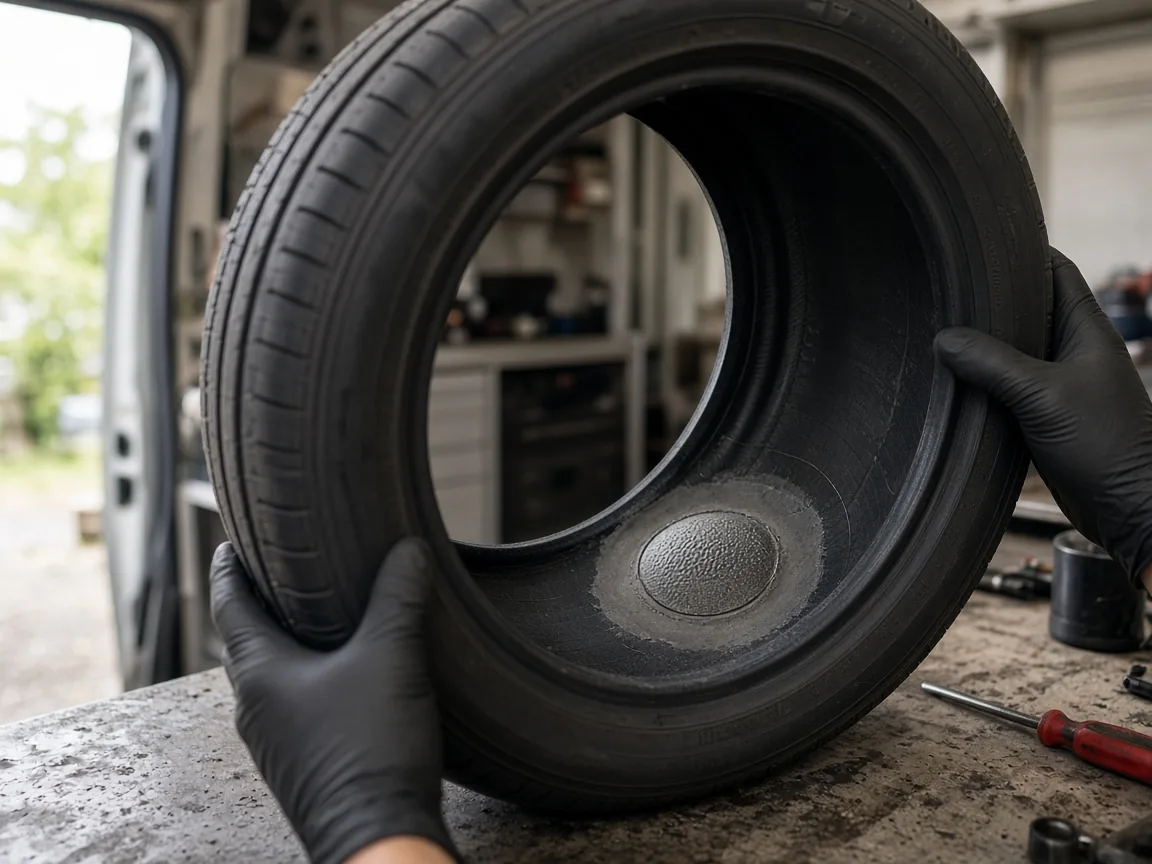
Two things settle this, and a pressure gauge is neither of them: where the damage sits, and what the inside of the casing looks like once the tyre is off the rim. Central tread with sound casing is a repair, and it keeps that axle on a matched pair. A shoulder, a sidewall, or a string plug somebody pushed in years ago changes the answer. The looking happens at your car, in Seal or wherever it stopped.
How this one goes
- Wheel off and tyre off the rim — a plug pushed in from outside tells nobody anything about the casing
- Repairs stay inside the area the standard allows, so a shoulder or sidewall wound gets an honest no
- A new valve goes in with the repair, because the old one has done every one of the same miles
- Where it is scrap, the replacement price comes there and then rather than on a second visit
Ring from where the car is
Open 24 hours. Say what has failed, what you are driving, and the nearest thing you can see from the car.
Asked often enough to write down
Can you tell me over the phone?
Not honestly. A photograph helps us guess, but the tyre has to come off the rim before anyone can call the casing sound. Both prices are given before we start, so neither answer is a surprise.
Is a repair as good as a new tyre?
A proper vulcanised repair inside the tread area is rated for that tyre’s speed and load. A string plug shoved in at the kerb is not, which is why none ride on this van.
It is flat now. Can I move it somewhere easier for you?
Please do not. A mile on a flat destroys the sidewall from the inside and turns a repairable tyre into a bill. Leave it standing and tell us the nearest thing you can see.